
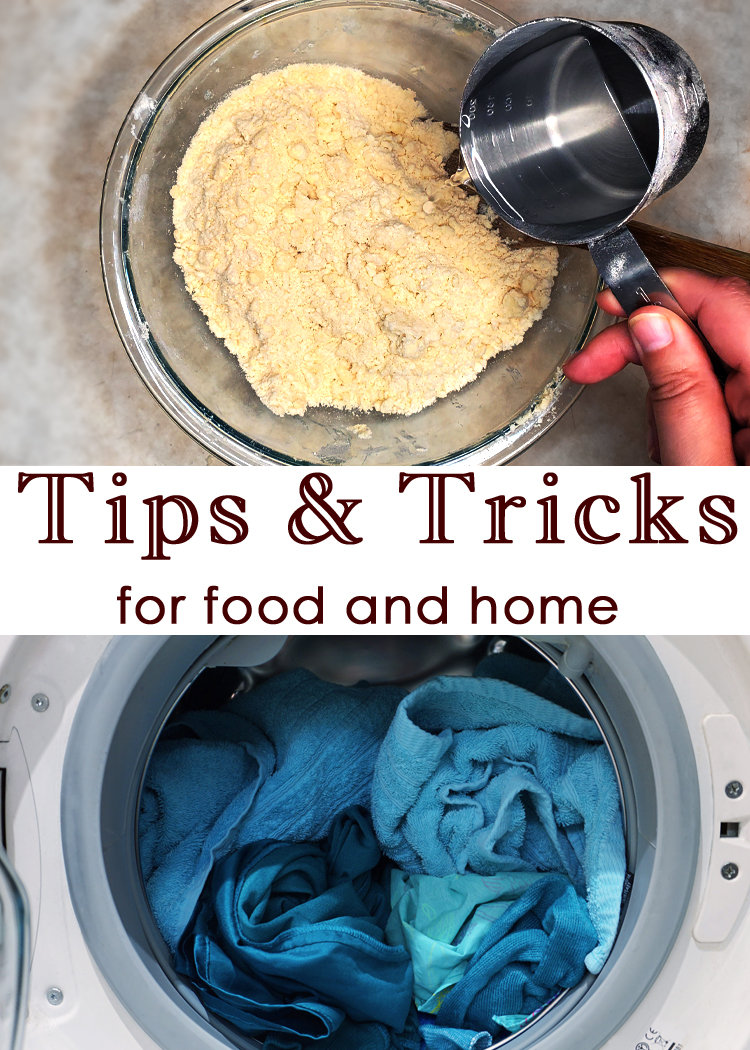
So, this is likely to eventually be a big, random post full of tips and tricks I’ve found over the years. For now, it’s what I can currently remember, and physically type, because Dobby is blocking my ability do so. I’ll continue to add to it as I keep learning!

However, before I get into that, if any of you are unaware, the United States, where I live, has been a huge ball of tension this entire week. We had our General Election on Tuesday, November 3rd, which, every four years, includes voting for a new president. I’m not going to get political, because that’s not the purpose of this blog. However, I will say, even as I write this, we still don’t know who will be our Commander in Chief for the next four years. It’s been stressful. So this post likely isn’t going to be up to the care and attention most of my posts are.
Additionally, maybe because of the election, I finally got around to writing up a values page for my site. Separate but as important as my about page, this page defines the things I stand for, and the values that mold the decisions I make day to day, including how I conduct The Crafty Raven. A lot of those things might be considered “political”, but as I stated above, this platform’s purpose isn’t really about dissecting politics, but I absolutely will share things I learn and experience as it might relate to my human experiences and my values.
Now, onto the tips and tricks!

I’ve put these into categories, which may evolve over time. Please let me know if something doesn’t make sense or you have questions.
FOOD
- Never keep your apples near your onions. Oniony-tasting apples is not ideal (unless you’re using them in an onion-apple tart or something)
- Apples keep longer (MUCH longer) in the fridge. They do lose their taste over time, though, so don’t forget about them (like I sometimes do).
- If using active dry yeast, make sure your liquid isn’t above 110 degrees. It’ll kill the yeast, and your bread. :(
- Cashew milk is a GREAT substitute for regular milk in recipes. It has a thicker consistency than most other non-dairy milks, and still adds a creaminess to your food.
- Buy meat in bulk, and divide it up into smaller portions. You can even pre-cook it, if you want. I usually only use 1/2 pound of beef in any recipe, so I use a food scale, and divvy it up into 8oz. portions before freezing it.
- Let your meat come to room temperature before you put it on the heat. It will keep it from seizing due to the drastic change in temperature.
- Taste your food as you cook. You can always add more seasoning.
- If you only need a small bunch of something that is only sold in bigger bunches at the store, you can do two things: One – buy the bigger bunch, and cut up and freeze the extra for another time. This works for anything – herbs, carrots, celery, rhubarb, berries…. Two – you can sometimes take less – especially if it’s by weight. I do this a lot with celery, grapes, bananas and tomatoes on the vine. Pull off only as much as I need from a bunch.
KITCHEN
- Unless you SUPER clean your dishes before using a dishwasher, stuff will build up over time. Take a moment to check around the seal of the door, and in the drain for all kinds of gross gunk that will make it harder for your dishwasher to do it’s job.
- If you bake a lot, get a food scraper. You’ll love it. Trust me.
- If you ever get fruit flies, first, check your kitchen for rotting food. Dispose of it. Then, hang up fly paper ribbon. I have mine right behind my sink, because the small lip of counter behind it and out into the living room isn’t really accessible, so it’s out of the way of it getting touched, and, flies tend to lay their eggs in drains, so it’s close to where they might congregate. If you want to further attract them to that area, set out a tall glass with just a small amount of apple cider vinegar nearby. I know they say that you can attract more flies with honey, but something smelly, like vinegar is likely to work better.
- Get a good set of knives – they WILL be sharp, and you might get cuts when you first use them – but they really will make a difference in how well you can cut things.
- DON’T put your knives in the dishwasher. One – the stainless steel will still get rust spots. Two – the pressure of the water will shift them around, making nicks and chips in the edges of your blades. Hand wash and dry them immediately after use.
- Calibrate your oven every so often. Get an oven thermometer, like this one, and turn your oven on to 350℉. After 10 minutes, check to see what the oven thermometer says. Check again, in 20 minute intervals, to see if your oven maintains temperature. If there’s a difference in what the thermometer says versus what the temp is supposed to be, follow your oven manufacturer’s manual to calibrate your oven so it’s actually getting the right temp. Mine was about 50 degrees hotter than what it said it was.
- Invest in a good set of wooden spoons. Nothing beats having a decent, sturdy spoon that won’t scratch your cookware. I have a set similar to this one.
- For quicker, more even cooking, invest in a good stainless steel cookware set. Non-stick without Teflon is the way to go. Ditch Teflon, if you can. Firstly, you have to be careful about what utensils you use with them, because the Teflon will eventually get scratched. I have some copper-bottomed pans like this, and I LOVE this J.R. Henckles International pan I have – this is not the exact model I have, but similar (different handle).
- Cast iron. Get some. At least one 10-inch skillet. Lodge is a great brand. Make sure to season them, and keep seasoning them after you clean. I love them, because you can heat on a coil stove on medium, which is nearly the equivalent of high for those types of pans. They retain heat for a long time, so food won’t immediately get cold, and you can put them in the oven! I do recommend getting some silicone handle covers, though. And, my enameled Dutch oven has changed my soup game! I love making soup and stew in this thing.
- Using foil or parchment paper on your sheet pans or baking dishes means for really easy clean-up!
LAUNDRY
- Make your own laundry detergent. No, seriously! It will save you SOOOOOOO much money, and doesn’t take a lot of time. I honestly don’t even know much I actually spend per load, but probably fractions of a penny. Get an empty, clean, gallon jug (thicker plastic works best, but whatever you have left over from juice or milk or your old laundry detergent will work), and put in the following: 1/2 cup Dawn dish soap, 1/2 cup washing soda, 1/2 cup borax. Fill half-way with hot water, put on the lid, and shake to get the ingredient all mixed up. Add more warm water until the jug is full. You might have to do this in stages, since the bubbles will kind of get in the way. I make 4 jugs at a time. It lasts my roommate and I AGES. I think I only use about 1/2 cup per load, and it works great!
- Rubbing alcohol will dissolve most stains – especially ink! You might have heard that you can use 80’s style hairspray or hand sanitizer to break up ink stains on clothing – this is due to the isopropyl alcohol! So just use some straight rubbing alcohol, which is a good thing to have around for your first aid kit anyway, and blot those stains away! Works on food coloring, grape or cranberry juice…it literally breaks apart the ink particles! Science!
- One Thing by Jillee is one of the blogs I most love to watch for things laundry-related. She also has to live with many food-related allergies in her household, so if you need ideas there, she’s also a great resource! She just has a great blog in general. Check her out!
This is by far not all the things I’ve learned or tried over the years…I’ll definitely be adding more! Hope you have been able to get something out of my trials and successes!
Keep it Crafty!
– Raven
 The Crafty Raven